
How to Choose a Reliable Building Contractor in Gauteng
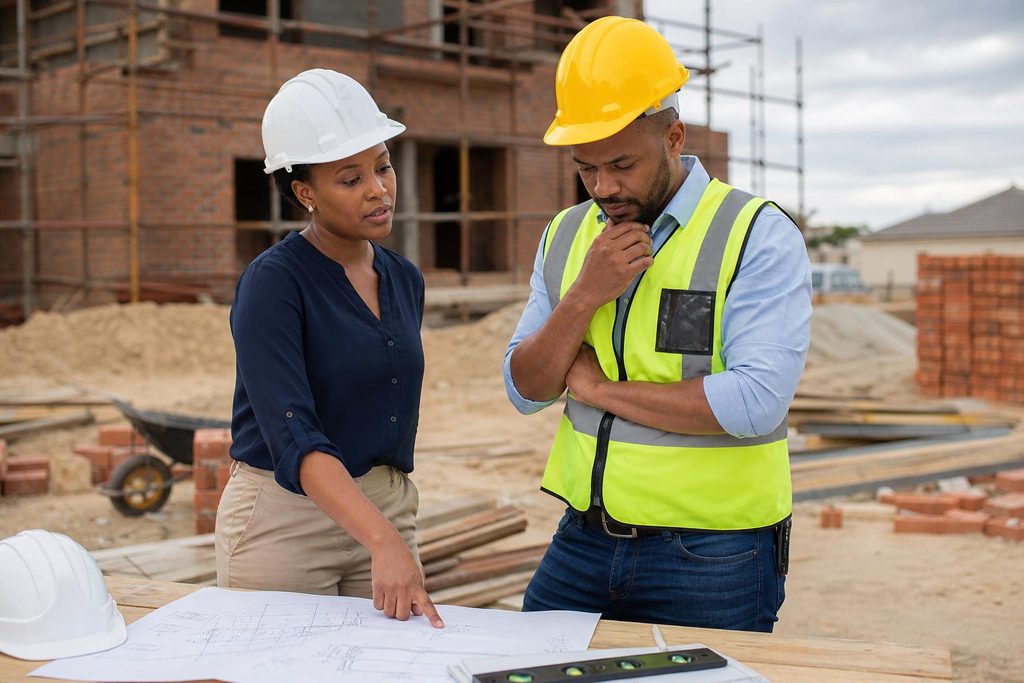
To choose a reliable building contractor in Gauteng, verify active National Home Builders Registration Council (NHBRC) registration, inspect recently completed local projects in person, and insist on standard industry contracts like the JBCC with phased milestone payments. Reliable builders understand regional soil challenges like Highveld expansive clay, carry valid Workman Compensation (COID) cover, and provide itemised quotations rather than vague lump sums.
Verify Legal Registrations and South African Building Compliance
Working with an unregistered builder exposes property owners to substantial legal and financial risk. In South Africa, residential builders must register with the NHBRC to enrol projects legally before excavation starts. Unregistered work can halt your construction through municipal stop orders and void your structural warranty. Commercial and civil projects often require Construction Industry Development Board (CIDB) grading to confirm operational capacity.
Before signing agreements or handing over deposits, confirm that your contractor maintains the following essential credentials:
- Active NHBRC registration certificate with a verifiable registration number
- Valid Letter of Good Standing from the Compensation Fund under COID
- Public liability insurance policy covering site accidents and third-party damages
- Tax compliance pin issued by the South African Revenue Service
Understanding NHBRC Protections
An NHBRC enrolment is not just administrative paperwork; it provides a five-year warranty on the structural integrity of your residential building. If major structural defects appear due to poor design, substandard foundations, or faulty materials, the council enforces contractor accountability or repairs the damage through its warranty fund.
Evaluate Regional Experience and Past Performance
Building in Gauteng presents distinct technical demands. Sites in Centurion often sit on dolomitic ground requiring specialised foundation engineering, while parts of Johannesburg and Midrand contain expansive clay that shifts drastically between dry winters and heavy summer storms. A dependable contractor understands how to schedule concrete pours around Highveld afternoon downpours and manages power disruptions with on-site generator power. For complex residential developments or commercial upgrades, working with a team experienced in construction services in Gauteng ensures your project adheres to municipal town planning bylaws and local engineering standards.
Inspecting Active Construction Sites
Never rely solely on digital photo portfolios, which can easily be staged or borrowed. Request addresses for two active job sites and one project finished within the last two years. Contact past clients directly to ask about timeline discipline, cost management, and site communication.
When visiting an active build, pay close attention to the following indicators of professionalism:
- Neat material storage and orderly waste management across the site
- Correct safety gear worn by bricklayers, carpenters, and subcontractors
- Proper structural bracing, level brickwork courses, and clean mortar joints
- A clearly visible site board displaying statutory notices and builder information
Structure Contracts, Quotes, and Payment Schedules Safely
Disputes in the construction industry almost always stem from vague estimates and poorly structured payment terms. Reputable builders utilise recognised contract templates, such as the Joint Building Contracts Committee (JBCC) Minor Works Agreement. These contracts outline exact project timelines, practical completion definitions, defect liability periods, and dispute resolution mechanisms.
Protect your capital by structuring your agreement around verifiable project milestones rather than calendar dates:
- Avoid paying large cash deposits before materials or plant arrive on site
- Tie progress draws directly to inspected stages such as foundation slab, wall plate, roof structure, and practical completion
- Withhold a five to ten percent retention fee payable only after the standard three-month defect liability inspection
- Require detailed Bills of Quantities specifying material grades, square meterages, and exact finish allowances
Managing Variation Orders and Contingency Budgets
Every building project experiences unexpected site conditions or design changes. A reliable builder handles variations through formal, signed change orders that specify additional labour costs, material price differences, and timeline extensions before the new work begins. Always set aside an independent ten percent contingency fund to absorb municipal connection fees or structural foundation adjustments.
Choose ANL Projects as Your Reliable Building Contractor
Selecting the right contractor transforms building from a stressful gamble into a predictable, structured investment. ANL Projects delivers reliable construction management, structural alterations, and turnkey building solutions across Johannesburg, Pretoria, and the broader Gauteng province. By combining transparent stage-based pricing, strict site safety protocols, and rigorous quality control at every phase, ANL Projects ensures your residential or commercial development is completed on schedule and built to last. Click the button below to get a quote for your next project.
FAQs
How do I check if a contractor is registered with the NHBRC?
You can verify a builder by requesting their NHBRC registration number and searching the public register on the official NHBRC website, or by phoning their regional office in Sunninghill, Johannesburg. Ensure the registration status is active and listed under the exact company name quoting on your project.
What deposit percentage is reasonable for a building contractor in Gauteng?
Standard industry practice ranges between zero and ten percent for initial site establishment and preliminary costs. For bespoke custom orders like aluminium glazing or roof trusses, contractors may request advance payment, but the funds should be tied to direct supplier invoices rather than general cash advances.
How long should a building quote remain valid?
Building quotes in South Africa generally remain valid for 30 calendar days. This timeframe protects both parties from volatility in raw material prices, including cement, structural steel, and timber, which fluctuate based on transport costs and exchange rates.
What happens if building work is delayed by Gauteng weather or load shedding?
Standard building contracts include force majeure clauses covering adverse weather, such as extended summer rain periods that prevent safe earthworks or concrete curing. Contractors must formally log weather delays in the site diary. Professional builders manage electrical disruptions by maintaining on-site generators for power tools, welding, and brick-cutting machinery.